Cultural Heritage and Tourism Management
Grade
Three-year Bachelor’s
Major
Applied Languages and Global Careers(Minor in Cultural Heritage & Tourism Management)
Campuses
Florence, Mantua, Turin
Admission
Admission upon selection
Mandatory Entry Test
Course Overview
Tourism is one of the world’s most powerful industries, driving economies, connecting cultures, and transforming communities.
In Italy, a global icon of art, heritage, and hospitality, tourism is more than a sector: it is a living laboratory of excellence. Studying here offers unparalleled insight into how destinations succeed, evolve, and inspire.
At Unicollege, this programme blends cultural knowledge, managerial strategy, and innovative technologies to prepare you for leadership in tourism, hospitality, and cultural management.
Through courses like History of Art and Visual Cultures, Art, Law and Business, and Museology and Curatorial Practices for Cultural Spaces, you will explore how cultural heritage is preserved, interpreted, and transformed into meaningful visitor experiences.
Destination management and territorial understanding take center stage in modules such as Geography of Tourism and Destination Management, Hospitality and Tourism Management, and Arts and Culture Management, equipping you with the tools to analyze tourism flows, manage cultural institutions, and oversee complex hospitality operations. You’ll learn how destinations can balance economic growth with sustainability, authenticity, and community engagement.
As tourism becomes increasingly technological and experience-driven, courses like Smart Tourism and Interactive Experiences, New Arts and Digital Avant-Gardes, and Sociology of Emerging Trends immerse you in the innovations shaping today’s travel landscape, from immersive media to digital storytelling and experiential design. Meanwhile, Event Planning and Management and Marketing allow you to understand how cultural programming and strategic communication shape destination identity and visitor engagement.
Economic structures and global markets are explored through Economics of Global Markets, giving you a broader perspective on how tourism integrates into global business networks and responds to shifting economic and geopolitical forces.
Throughout the programme, you will develop strong managerial, analytical, and communication skills, preparing you to work across tourism boards, cultural institutions, museums, hospitality companies, international organizations, and experiential design agencies.
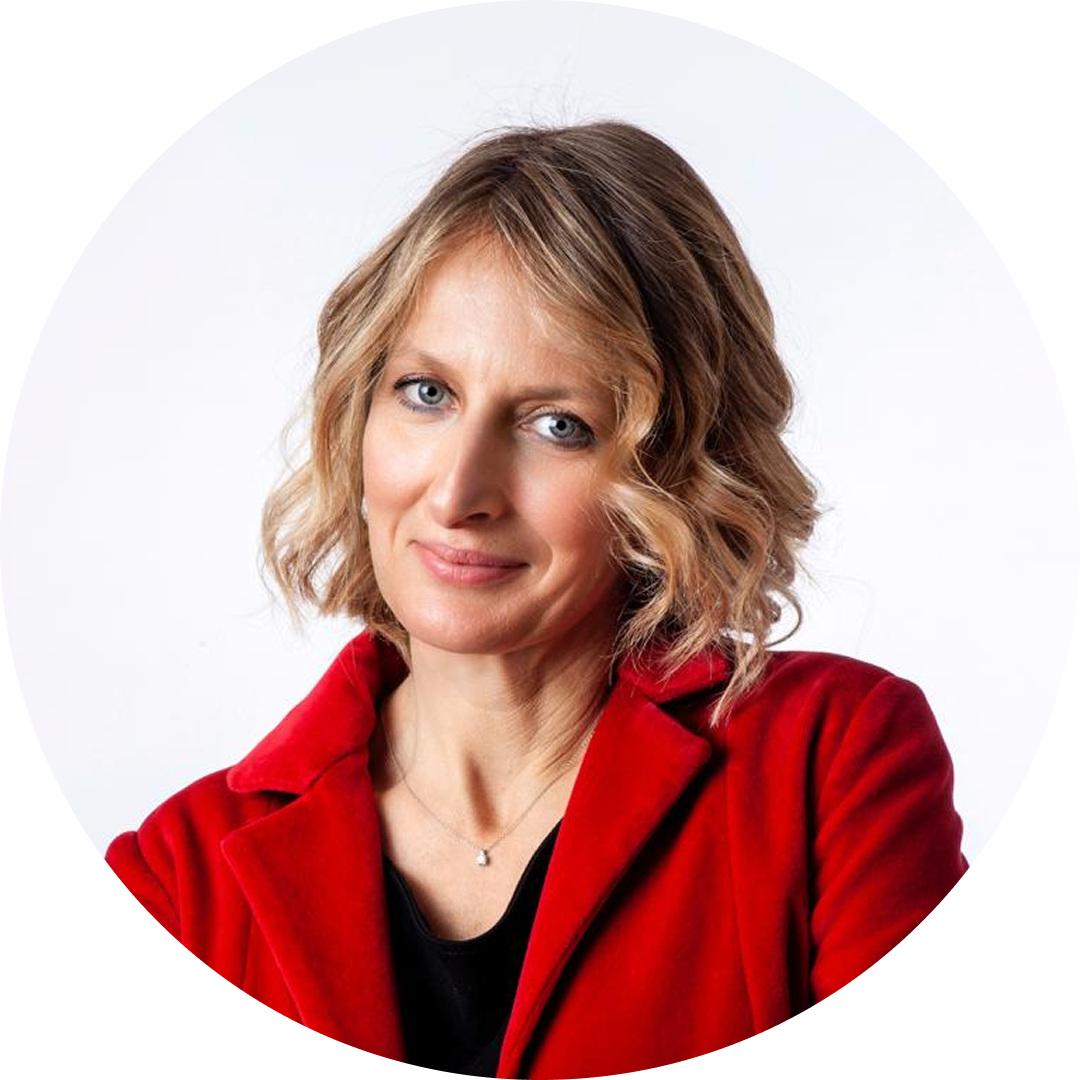
MA Philosophy, Università Cattolica del Sacro Cuore, Milan
MA Communications, Università Ca’ Foscari, Venice
“Cultural heritage is not just something we preserve, it is something we activate. Through case studies and critical analysis, students learn how to transform places, stories and traditions into authentic experiences that connect people across cultures.”
Curriculum
| Courses | Credits |
| History of Art and Visual Cultures | 6 ECTS |
| Marketing | 6 ECTS |
| Geography of Tourism and Destination Management | 6 ECTS |
| Art, Law and Business | 6 ECTS |
| Sociology of Emerging Trends | 6 ECTS |
| Foreign Language Component I (pre-intermediate/intermediate) | 15 ECTS |
| Foreign Language Component II (pre-intermediate/intermediate) | 15 ECTS |
| Courses | Credits |
| Arts and Culture Management | 6 ECTS |
| Event Planning and Management | 3 ECTS |
| Hospitality and Tourism Management | 3 ECTS |
| Economics of Global Markets | 6 (Italian/European credits) 3 US credits |
| Foreign Language Component I (intermediate/advanced) | 15 ECTS |
| Foreign Language Component II (intermediate/advanced) | 15 ECTS |
| Comparative Literatures and Contemporary Cultures | 6 ECTS |
| Language, Communication, and Artificial Intelligence | 6 ECTS |
| Courses | Credits |
| New Arts and Digital Avant-Gardes | 6 ECTS |
| Smart Tourism and Interactive Experiences | 3 ECTS |
| Museology and Curatorial Practices for Cultural Spaces | 3 ECTS |
| Foreign Language Componente I (Advanced/proficient) | 15 ECTS |
| Foreign Language Componente II (Advanced/proficient) | 15 ECTS |
| IT | 3 ECTS |
| Internship | 6 ECTS |
| Thesis | 6 ECTS |
| TOTAL CREDITS | 180 ECTS |
In the Unicollege learning system, your study plan includes one or more foreign languages taught through an immersive and applied methodology, where language becomes not just a subject to learn but the tool through which you think, communicate and build knowledge. From the very first year, courses engage you in active, hands-on workshops that blend theory and practice, ensuring that you are never a passive observer but the true protagonist of your learning experience.
The classroom transforms into a real-world environment: a working table, a negotiation setting, a professional simulation. You learn by doing, using the language to solve problems, make decisions, persuade, collaborate and bridge linguistic and cultural divides.
Language development follows a progressive and structured pathway. Starting from the proficiency level achieved in high school, you are guided step by step toward full operational fluency. Active learning, applied practice and workshop-based strategies replace traditional lectures, promoting a method centered on action, interaction and practical language use in authentic contexts.
Upon completing the Bachelor’s, you will be qualified to work in:
-
- Marketing and communication agencies focused on regional development within strategic marketing and communications.
- Organizations dedicated to promoting and preserving artistic and cultural heritage, operating within strategic frameworks for heritage conservation.
- Event management firms specializing in cultural and heritage-related events.
- Government ministries responsible for the management and protection of artistic and cultural heritage.
- Local, regional, and national agencies overseeing cultural affairs, hospitality, and recreational services.
- International commissions responsible for cultural heritage legislation and policy development.
- Diplomatic and cultural mediation organizations, including global cultural institutions such as consulates, embassies, and Italian Cultural Institutes (IIC).
- Art, heritage, and cultural fairs, along with organizations specializing in tourism planning and development.
Find out about our Tuition & Fees
Any doubts?